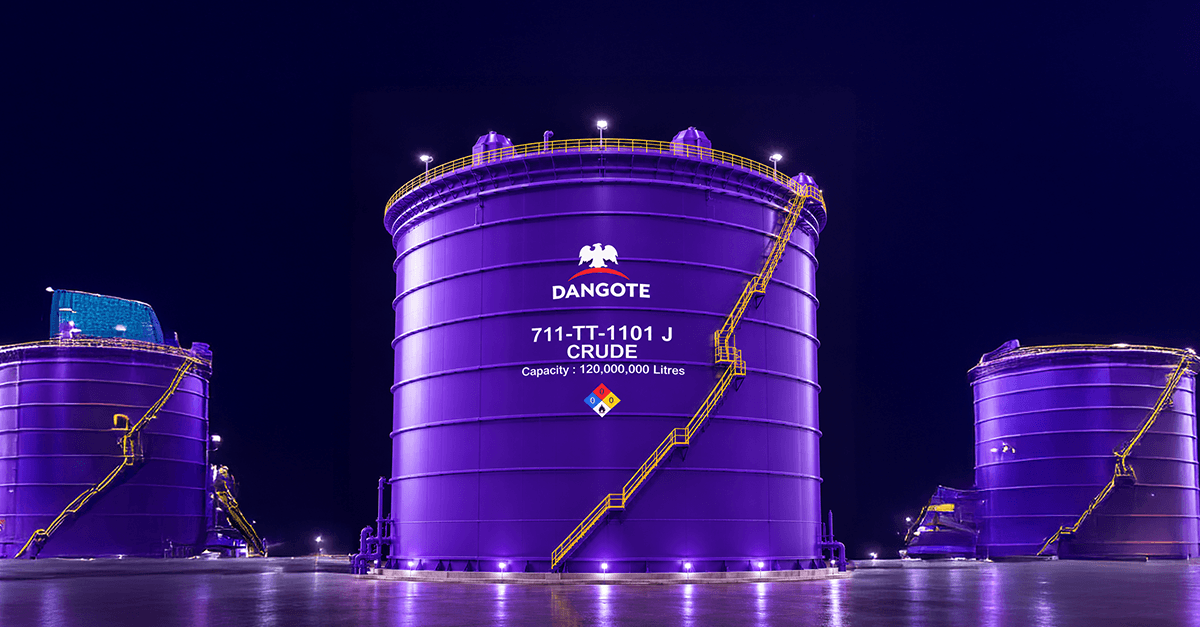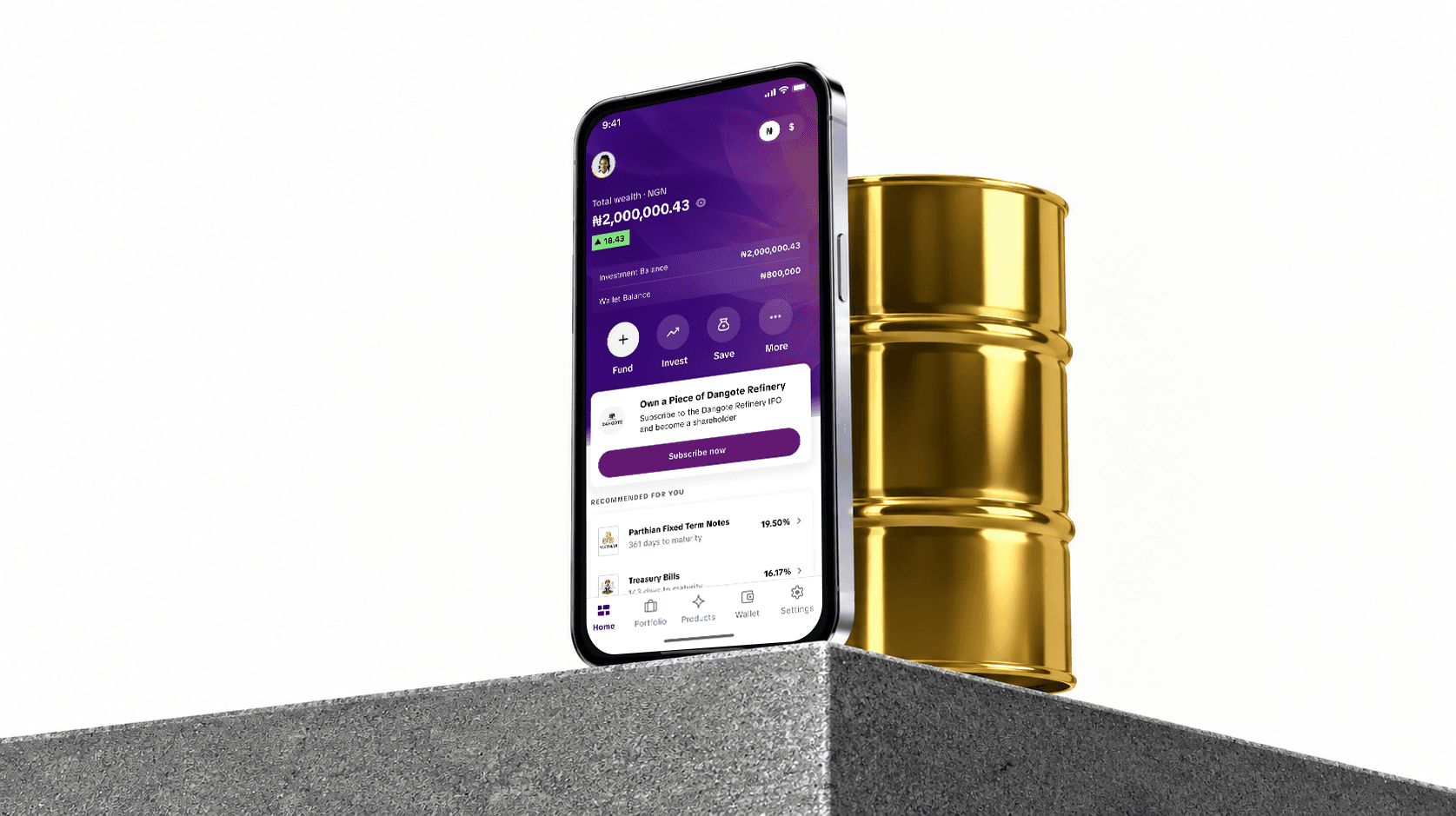
An Initial Public Offering (IPO) is the process through which a private company sells shares to the public for the first time, becoming a publicly listed company on a stock exchange.
Whether you are just starting your investment journey on i-invest or looking to expand your asset portfolio, understanding how IPOs work on the Nigerian Exchange (NGX) is key to making informed financial decisions.
IPO Meaning and Definition
What is an IPO? An Initial Public Offering also known as IPO is the process by which a privately owned company offers its shares to the public for the first time, converting from a private company into a publicly traded corporation.
Before an IPO, a business is owned privately by its founders, venture capitalists, or private equity investors. When a company launches an IPO, it creates new shares, or sells existing ones, and opens them up for everyday individuals and institutional investors to buy.
In legal and financial terms, an IPO is a regulated primary market transaction governed by the Securities and Exchange Commission (SEC), where a company lists its equity on a recognised stock exchange to raise long-term equity capital.
Why Do Companies Launch IPOs?
For companies, going public is a major corporate milestone. Companies launch IPOs on the Nigerian capital market for several strategic reasons:
1. Raising Capital To fund infrastructure, expand operational capacity, pay off existing debt, or invest in new markets, without taking on high-interest commercial bank loans.
2. Enhancing Public Profile and Brand Prestige Listing on an exchange increases market visibility, boosting trust among partners, lenders, and global investors.
3. Providing Liquidity for Founders and Early Investors An IPO allows original shareholders to realise returns on their initial investments by selling portions of their equity.
4. Acquisitions and Mergers Publicly traded shares can be used as currency to acquire or merge with other businesses.
How IPOs Work on the NGX (Nigerian Exchange)
Launching an IPO in Nigeria is a strictly regulated, multi-step process overseen by the Securities and Exchange Commission (SEC) and the Nigerian Exchange Group (NGX).
1. Appointing Advisory Teams:
The company hires issuing houses: specialist investment banks that structure and manage the public offer, alongside stockbrokers, underwriters, solicitors, and auditors.
2. SEC Approval and Registration:
The company submits a comprehensive Prospectus detailing its financial history, corporate governance structure, risk factors, and valuation to the SEC for regulatory review and approval.
3. Price Discovery and Book Building:
Issuing houses determine the price per share, either through a fixed-price public offer or a book-building process with institutional investors.
4. Public Offer Period:
The IPO opens for subscription. Retail and institutional investors submit application forms through approved distribution channels, including digital investment platforms like i-invest.
5. Allotment and Refund:
If the IPO is oversubscribed, shares are allotted proportionally and unallotted funds are refunded to investors' bank accounts.
6. Official Listing on the NGX:
The stock is formally listed on the NGX trading board, initiating secondary market trading.
Benefits of Buying Shares in an IPO
Investing in an IPO offers distinct advantages for retail and institutional investors:
Risks Investors Should Understand
While IPOs offer significant wealth-building opportunities, they carry inherent market risks:
What Happens After an IPO Lists on the NGX?
Once the IPO closes and shares are allotted, the transaction transitions from the primary market to the secondary market. Here is what follows:
How to Invest in an IPO Through i-invest
Participating in an IPO through i-invest is straightforward:
Frequently Asked Questions About IPOs in Nigeria
What is an IPO? An IPO: Initial Public Offering, is the first time a private company sells its equity shares to the general public, raising expansion capital and listing on a recognised stock exchange.
What does IPO stand for? IPO stands for Initial Public Offering.
How does an IPO work in Nigeria? In Nigeria, a company receives SEC clearance, publishes an offer prospectus, opens a subscription window for public investors, allots shares to successful applicants, and commences trading on the NGX.
Can Nigerians buy shares in an IPO? Yes. Any Nigerian citizen or resident with a CSCS account and a Bank Verification Number (BVN) can participate in public offers through authorised financial platforms, including i-invest.
What is a CSCS account? A CSCS — Central Securities Clearing System — account is the account through which shares purchased on the Nigerian capital market are held and managed. It is a mandatory requirement for participating in any public offer in Nigeria.
How do I get a CSCS account?
You can get a CSCS account through a licensed stockbroker—or simply register and complete your KYC on i-invest, and one can be created for you automatically with zero stress.
What is the difference between an IPO and a secondary market purchase? An IPO is a primary market transaction which means that you are buying shares directly from the company during its first public offer. A secondary market purchase is when you buy shares from another investor after the company has already listed on the exchange.
How do I know when a new IPO is available? Approved public offers are announced by the SEC and the NGX, and listed on authorised investment platforms. i-invest notifies registered users of available offers through the platform and email communications.
What happens if I am not allotted shares in an oversubscribed IPO? If the offer is oversubscribed and you do not receive a full allotment, unallotted funds are refunded to your bank account within the timeframe specified in the offer prospectus.
Disclaimer: This article is strictly for educational purposes and does not constitute financial or investment advice. Equities are subject to market risk and volatility. Investors should review official SEC-approved offer prospectuses and consult a licensed financial adviser before making any investment decision.