Buying shares in an can be a strong investment strategy if the company has solid fundamentals, a reasonable valuation, and clear growth prospects; but it requires careful research before committing funds.
When a company announces its plan to list on the Nigerian Exchange (NGX), it often draws significant attention from retail and institutional investors alike. For first-time investors exploring equity investment, an Initial Public Offering (IPO) can look like an attractive entry point into early-stage ownership of a growing company.
But how do you know if an IPO is actually a good investment? Understanding how to purchase shares, evaluating offer terms, and analysing market risks are crucial steps before allocating your capital.
Are IPOs Good Investments?
An IPO allows retail investors to buy shares in a company at a fixed offer price before it begins daily trading on the public stock market.
The Upside:
The Reality: Not every IPO delivers immediate profits. Some stocks surge on their listing day, while others decline if market expectations are unmet. An IPO is an entry point into equity investing, not a guaranteed profit shortcut. The quality of the company, the fairness of the offer price, and your investment horizon all determine whether an IPO proves worthwhile.
What Investors Should Consider Before Buying Shares
Before committing funds to any public offer, evaluate these four fundamental factors:
1. Company Financial Performance:
Review the company's past three to five years of revenue, profit margins, and debt levels. Consistent profitability or a clear, credible path to profitability is a positive signal.
2. Use of Proceeds:
Is the company raising money to expand operations, build infrastructure, or invest in new markets? Or is a significant portion of the funds raised going toward settling existing commercial bank debt?
3. Competitive Position:
Does the company hold a strong or defensible market share in its industry relative to competitors in the Nigerian capital market?
4. Valuation:
Is the IPO share price fair and proportionate relative to the company's earnings and industry peers? An aggressively priced offer may correct downward once secondary market trading begins.
How to Evaluate an IPO Prospectus
The prospectus is the official document approved by the Securities and Exchange Commission (SEC), detailing everything about the offer: its terms, the company's financials, its leadership, and its risks. Every potential investor should read it before applying.
When reviewing an IPO prospectus, focus on these three key sections:
Understanding Risk and Return in Stock Investment
All stock market investments carry varying levels of risk alongside their potential returns:
Common Mistakes First-Time IPO Investors Make
Avoid these common errors when considering participation in a public offer:
What Happens After an IPO Closes?
Understanding the full lifecycle of an IPO helps investors know what to expect after submitting a subscription:
1. The subscription period closes and allotment is processed by the issuing house
2. Successful applicants receive shares credited to their Central Securities Clearing System (CSCS) account; the account through which all Nigerian capital market holdings are held and managed
3. Unallotted funds from oversubscribed offers are refunded to applicants' bank accounts within the timeframe stated in the prospectus
4. The stock is formally listed on the NGX and secondary market trading begins
5. The newly listed company must comply with NGX continuous disclosure obligations, including quarterly financial statements and material news announcements
6. Investors can monitor performance, track dividends, and manage their holdings through digital investment platforms
IPO Investing vs. Buying Shares After Listing
Price
Buying During an IPO: Fixed offer price set by issuing houses
Buying After Listing (Secondary Market): Fluctuates daily based on market trading
Share Availability
Buying During an IPO: Subject to allotment if oversubscribed
Buying After Listing (Secondary Market): Buy exact quantities during trading hours, subject to availability.
Financial History
Buying During an IPO: Relies primarily on prospectus financial records
Buying After Listing (Secondary Market): Access to quarterly public market reports and trading history
Execution
Buying During an IPO: Subscription during an open offer window
Buying After Listing (Secondary Market): Real-time execution via live order book
When Should You Avoid an IPO?
Consider skipping a public offer or waiting for secondary market trading if:
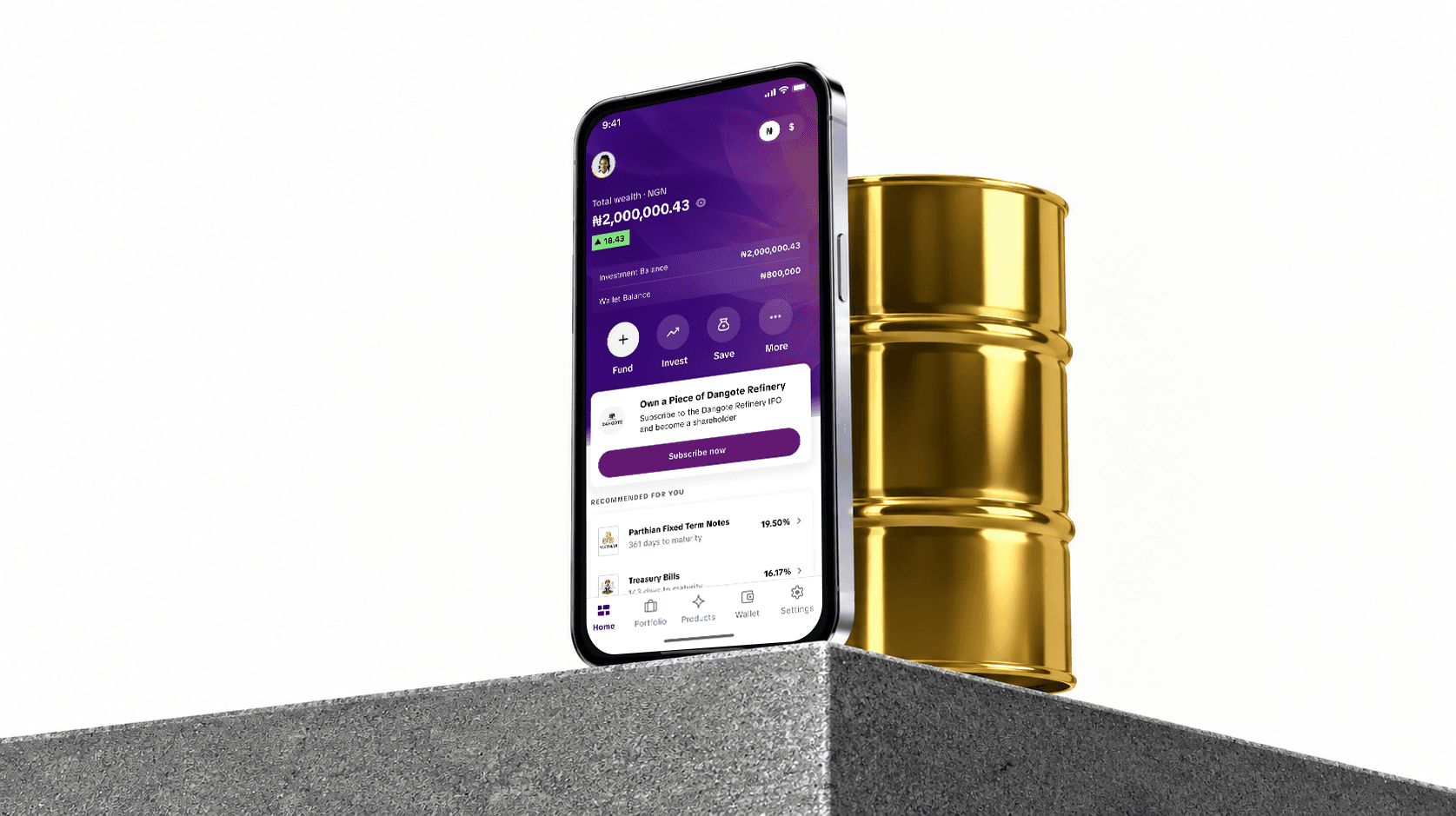
How to Buy Shares in Nigeria Through i-invest
Participating in a public offer in Nigeria no longer requires visiting a physical brokerage office or completing paper application forms. Here is how to invest through the i-invest platform:
1. Download and register:
Install the i-invest app from the Google Play Store or Apple App Store. Complete your identity verification using your BVN and a valid means of identification. Once your registration is complete, your CSCS account will be automatically created and linked to your profile.
2. Fund your account:
Deposit funds securely via internet banking, bank transfer, or card payment.
3. Navigate to Equities or Public Offers:
Browse currently active IPOs, Rights Issues, or listed equities available on the NGX directly within the app.
4. Review the offer terms:
Check the offer price, minimum subscription quantities, allotment basis, and closing timeline before applying.
5. Submit your subscription:
Enter the number of units you wish to purchase and confirm your transaction using your PIN. Allotted shares are credited to your CSCS account automatically after the allotment process is completed.
6. Track your investment:
Monitor your holdings, review performance, and manage your portfolio through the i-invest dashboard.
Frequently Asked Questions About IPOs and Shares in Nigeria
Should I buy shares in an IPO? Buying shares in an IPO can be a strong wealth-building strategy if the company has solid fundamentals, a reasonable valuation, and clear revenue prospects. Always read the SEC-approved prospectus carefully and consider consulting a licensed financial adviser before committing funds.
Is an IPO a good investment? An IPO can be a profitable long-term investment, but performance depends on company execution, the fairness of the initial pricing, and broader macroeconomic conditions. It is not inherently good or bad — the quality of the specific company and offer determines the outcome.
How do I buy shares in Nigeria? You can purchase shares in Nigeria by downloading a regulated investment platform like i-invest, completing registration, funding your account, and placing buy orders for listed equities or active public offers. You can also use any licensed stockbroker.
How can I purchase shares online? Download the i-invest mobile application on Android or iOS, complete account registration, navigate to the Equities section, select your target stock or active IPO, enter your desired purchase amount, and confirm your transaction.
What should I look for before buying shares? Evaluate the company's revenue history, profit trajectory, competitive advantage, management background, existing debt levels, use of IPO proceeds, and dividend policy. Read the risk factors section of the prospectus in full.
What is a CSCS account and do I need one? A CSCS (Central Securities Clearing System) account is the account through which all shares purchased on the Nigerian capital market are held and managed. It is mandatory for participating in any public offer in Nigeria. When you register on i-invest, your CSCS account is set up as part of the onboarding process.
What happens if I am not allotted shares in an oversubscribed IPO? If the offer is oversubscribed and you do not receive a full or partial allotment, unallotted funds are refunded to your bank account within the timeframe specified in the prospectus.
What is the difference between an IPO and buying shares on the secondary market? An IPO is a primary market transaction — you are buying shares directly from the company during its first public offer at a fixed price. Secondary market trading happens after the company has listed, where you buy shares from other investors at a price determined by live market supply and demand.
Disclaimer: This article is provided strictly for educational purposes and does not constitute financial or investment advice. Equities are subject to market risks and volatility. Investors should review official SEC-approved offer prospectuses and consult a licensed financial adviser before making any investment decision.